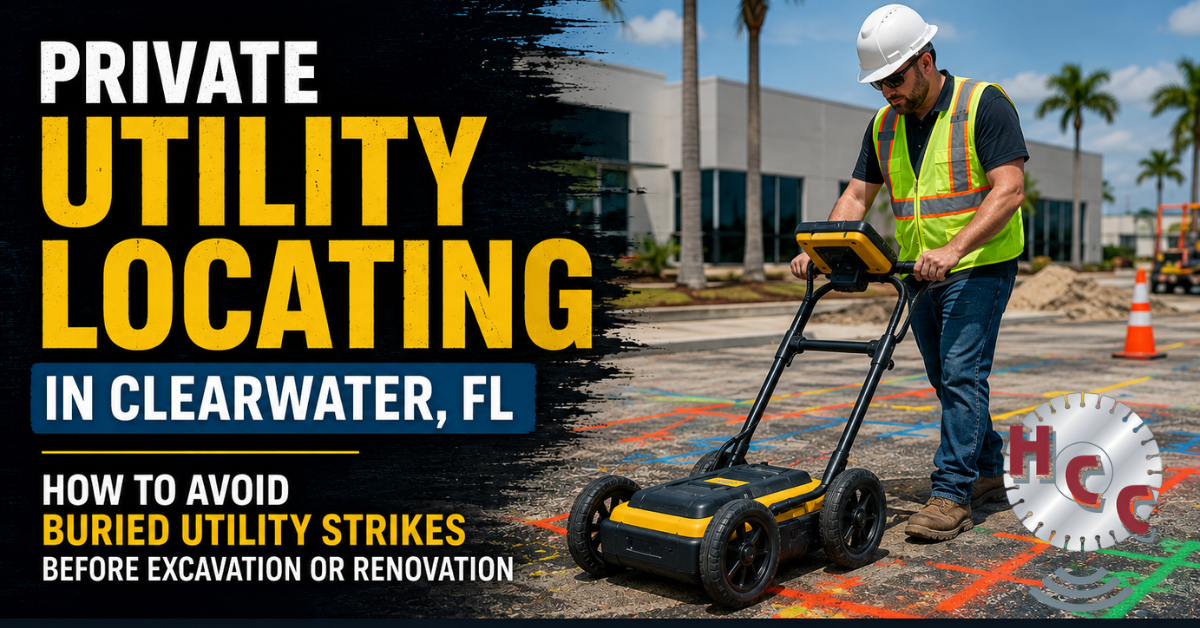
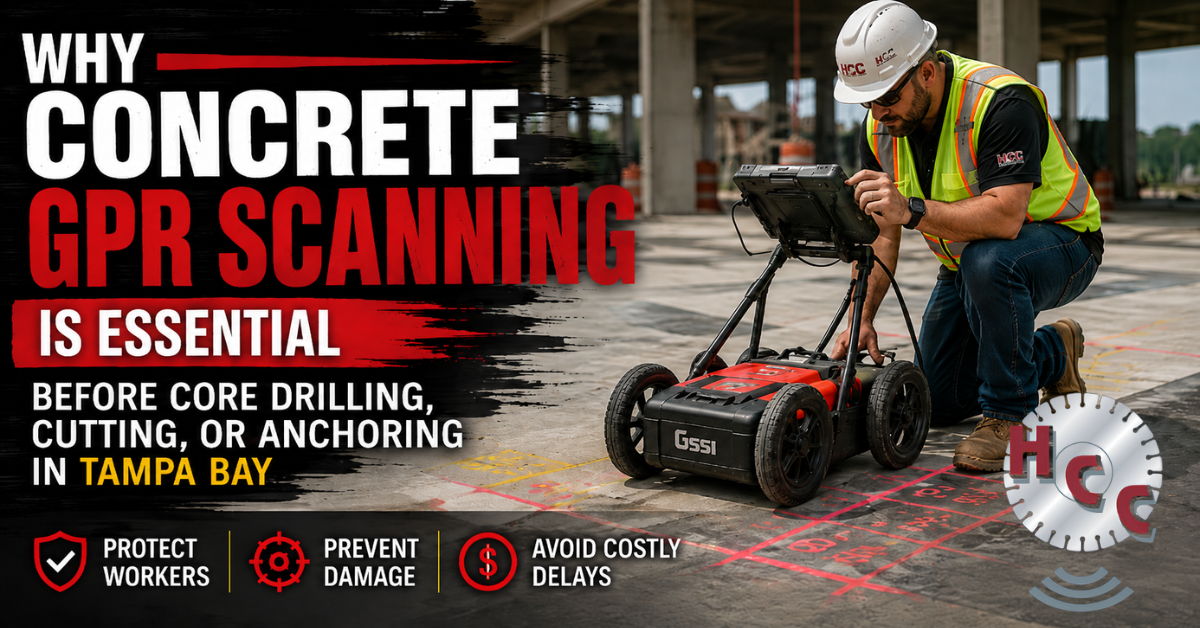
Before any contractor drills, cuts, saws, anchors, or cores into concrete, there is one critical step that should never be skipped: concrete GPR scanning. What looks like a simple slab, wall, column, or deck can hide post-tension cables, rebar, electrical conduits, plumbing lines, voids, and other embedded hazards. Hitting one of these elements can cause serious safety risks, costly repairs, project delays, and structural damage.
For contractors, electricians, plumbers, structural engineers, property managers, and commercial developers in Tampa Bay and Clearwater, concrete scanning is not just a precaution. It is a smart risk-management step that protects workers, budgets, schedules, and buildings.
What Is Concrete GPR Scanning?
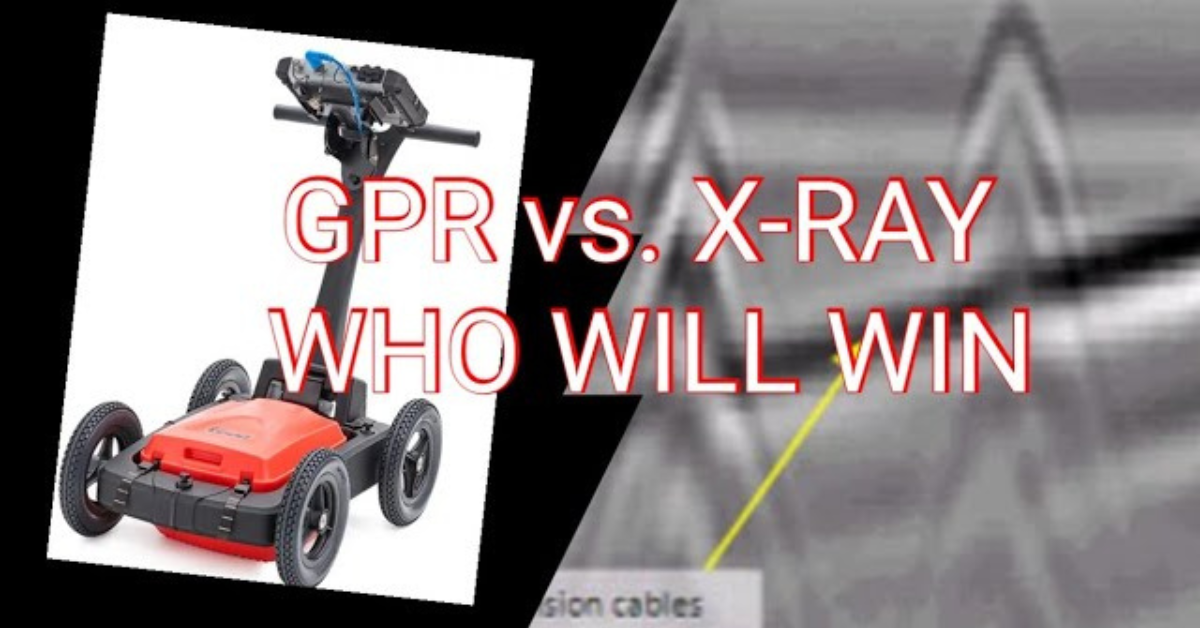
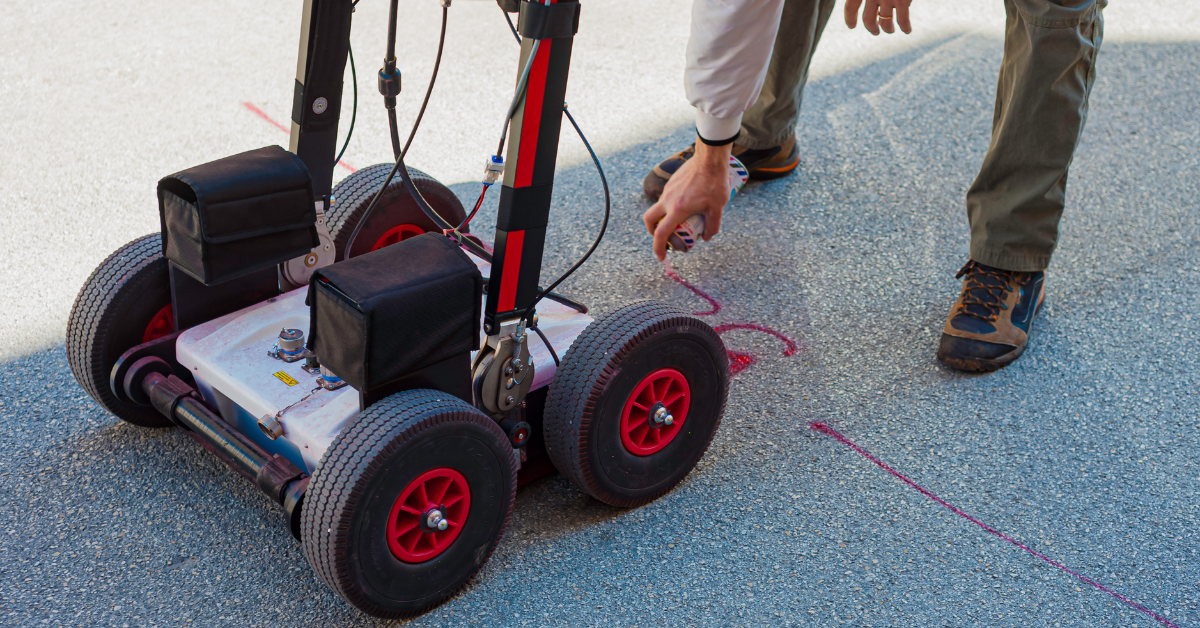
Concrete GPR scanning uses ground penetrating radar technology to identify embedded materials inside concrete before invasive work begins. A trained technician moves a GPR scanner across the surface of the slab, wall, or structure. The equipment sends radar signals into the concrete and reads the reflected responses from objects or changes within the material. This process helps locate subsurface hazards without damaging the concrete. Unlike destructive investigation methods, GPR allows crews to inspect areas before drilling, cutting, or anchoring. For many projects, this means fewer surprises, safer work, and better planning.
For commercial and construction projects, GPR concrete scanning Tampa services are commonly used before:
- Core drilling for plumbing, electrical, HVAC, or fire protection penetrations
- Saw cutting concrete floors or walls
- Installing anchors, bolts, or equipment supports
- Creating openings for utilities or access points
- Renovating occupied commercial buildings
- Verifying slab thickness or reinforcement locations
- Investigating possible voids or unknown embedded objects
Why Should You Scan Concrete Before Drilling or Cutting?
You should scan concrete before drilling or cutting because hidden objects inside the slab can create major safety, structural, and financial risks. GPR helps identify potential hazards before work begins, allowing contractors to adjust core locations, cutting paths, or anchor points safely.
Concrete often contains more than visible surface conditions suggest. On newer buildings, slabs may include post-tension cables, conduits, radiant systems, plumbing lines, or dense reinforcement. On older properties, records may be incomplete or inaccurate. Even when drawings are available, field conditions may not match the plans.
Scanning gives crews real-time information at the exact work location. That information helps prevent accidental strikes and reduces the chance of emergency shutdowns, repair costs, andchange orders.
What Can Concrete GPR Scanning Detect?
A professional concrete GPR scan can help identify a range of embedded conditions and construction elements. While exact results depend on site conditions, slab thickness, material density, and accessibility, GPR is commonly used to detect or locate:
- Rebar: Helps contractors understand reinforcement layout before drilling, coring, or cutting.
- Post-tension cables: Critical to avoid because cutting or damaging PT cables can create serious safety and structural risks.
- Electrical conduits: Helps reduce the risk of power outages, electrical hazards, and expensive repairs.
- Plumbing lines or pipes: Useful before creating penetrations in slabs, walls, or elevated decks.
- Void areas: Helps identify air gaps, deterioration, washouts, or inconsistencies beneath or within concrete.
- Slab thickness changes: Useful for planning drilling depth, anchoring, and structural work.
- Embedded unknowns: Helps locate anomalies that may require additional investigation before work continues.
GPR is especially valuable because it is non-destructive. Instead of guessing what is inside the concrete, contractors can make informed decisions before putting a drill bit or saw blade into the structure.
Why Concrete Scanning Matters for Tampa Bay
Contractors
Tampa Bay construction projects often involve a mix of commercial renovations, tenant build- outs, healthcare facilities, retail spaces, industrial buildings, multifamily properties, and coastal structures. Many of these projects require work in existing buildings where plans may be outdated, missing, or unreliable.
In Clearwater, St. Petersburg, Tampa, Largo, Oldsmar, Palm Harbor, and surrounding areas, contractors frequently need to make penetrations in concrete for new utilities, drains, electrical runs, HVAC systems, signage, equipment, or structural upgrades. The pressure to move quickly is real, but skipping a scan can turn a simple task into an expensive problem.
For general contractors, scanning also helps protect coordination between trades. Electricians, plumbers, mechanical contractors, concrete cutters, and core drilling crews all benefit from knowing what is below the surface before work starts. That clarity reduces finger-pointing, rework, and avoidable delays.
The Real-World Cost of Skipping the Scan
Skipping a concrete scan may seem like a way to save time or reduce upfront cost. In reality, it can create much larger expenses once something goes wrong.
Here is what contractors risk by drilling, cutting, or anchoring without scanning first:
- Striking a Post-Tension Cable
Post-tension cables are under high tension. Damaging one can create a dangerous release of energy, structural concerns, and immediate project shutdown.
Repairs can require engineering review, specialized repair crews, inspections, and schedule delays.
- Hitting Electrical Conduit
Accidentally cutting into conduit can create shock hazards, power outages, damaged equipment, and emergency electrical repairs. In occupied commercial spaces, this can disrupt tenants, customers, or critical operations.
- Damaging Plumbing or Utility Lines
A core hole in the wrong place can hit a pipe or utility line hidden within or beneath the slab. That can lead to water damage, cleanup costs, repairs, and delays while the affected system is shut down.
- Creating Structural Damage
Cutting through rebar or reinforcement may affect the integrity of the slab, beam, wall, or deck. Even if the damage appears small, the project may require a structural engineer to evaluate the area before work can continue.
- Losing Time to Emergency Repairs
The cost of a scan is usually small compared to the cost of stopping work, bringing in emergency repair crews, rescheduling trades, and explaining delays to the owner or GC.
- Increasing Liability
If a preventable strike causes injury, property damage, or major disruption, the contractor may face liability exposure. Scanning creates a documented step that shows the team took reasonable precautions before performing invasive work.
In short, the cost of a mistake can be far greater than the cost of a professional scan.
When Should You Schedule Concrete GPR Scanning?
The best time to schedule concrete scanning is before the final drilling, cutting, or anchoring locations are approved. This gives the project team time to adjust if the scan identifies a conflict.
You should book a scan before:
- Core drilling through concrete floors, walls, or ceilings
- Saw cutting trenches or openings
- Installing heavy equipment anchors
- Drilling into elevated slabs or parking decks
- Cutting openings for stairways, drains, utilities, or access
- Working near known or suspected PT cables
- Renovating commercial buildings with incomplete drawings
Scanning early helps avoid last-minute surprises and gives contractors more flexibility to revise layout locations before crews are already mobilized.
Why Work With a Local GPR Scanning Team?
A local scanning provider understands the pace and demands of Tampa Bay construction. When crews are waiting, schedules are tight, or inspections are approaching, responsiveness matters.
HCC Services FL provides concrete GPR scanning, utility locating, and core drilling support for contractors and commercial clients throughout the Tampa Bay and Clearwater area. Working with one team that understands scanning and drilling coordination can help reduce miscommunication and keep projects moving safely.
For contractors, the goal is simple: identify the risks before the work begins, mark safe areas clearly, and support efficient decision-making in the field.
FAQ: Concrete GPR Scanning Before Drilling or Cutting
- Why is concrete GPR scanning important before core drilling?
Concrete GPR scanning is important before core drilling because it helps locate rebar, post- tension cables, conduits, pipes, voids, and other hidden hazards. This reduces the risk of strikes, structural damage, safety incidents, and costly project delays.
- Can GPR detect post-tension cables in concrete?
Yes, GPR can help locate post-tension cables in concrete when site conditions allow. Since damaging PT cables can be dangerous and expensive, scanning before drilling or cutting is strongly recommended for elevated slabs, decks, and reinforced concrete structures.
- Is concrete scanning required before cutting or anchoring?
Concrete scanning may not always be legally required, but it is a best practice before cutting, drilling, coring, or anchoring into concrete. Many contractors, property owners, and project teams use GPR scanning to reduce liability, prevent damage, and improve jobsite safety.
Book Concrete GPR Scanning in Tampa Bay and
Clearwater
Before your team drills, cuts, cores, or anchors into concrete, make sure you know what is below the surface. HCC Services FL provides professional concrete GPR scanning and GPR concrete scanning Tampa services for contractors, electricians, plumbers, engineers, property owners, and developers across Tampa Bay, Clearwater, and surrounding areas.
Protect your crew, your schedule, and your project budget. Book a scan with HCC Services FL before the first cut, core, or anchor is made.