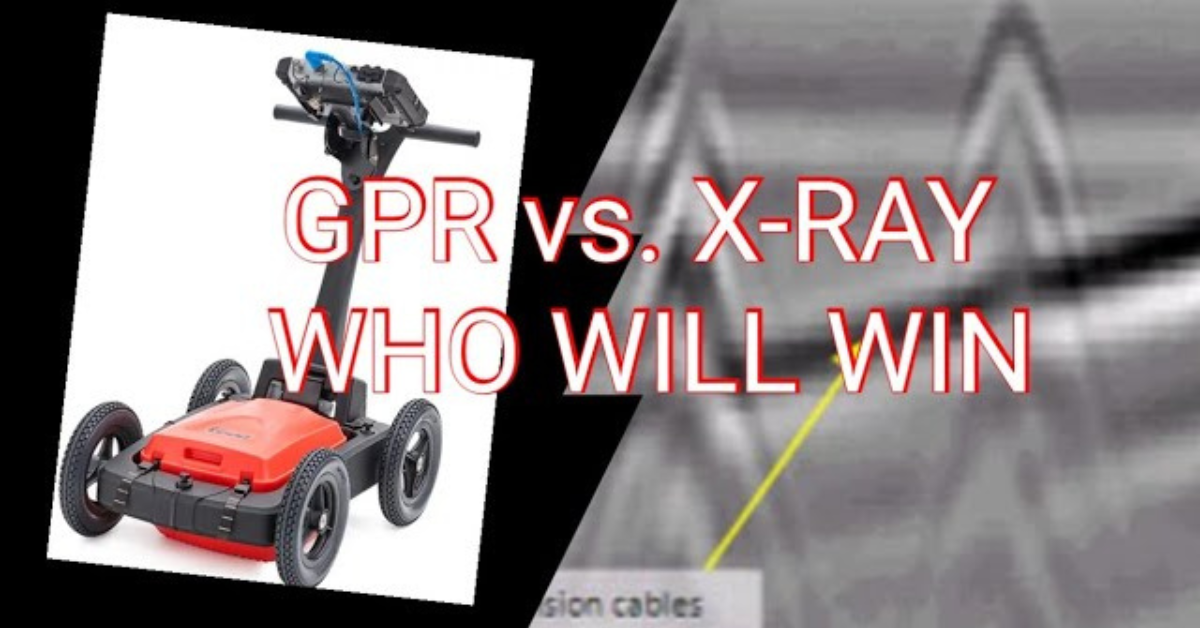
When working with concrete, knowing what’s inside before cutting or drilling is critical. Two common methods used for scanning are GPR (Ground Penetrating Radar) and X-ray scanning. While both can detect embedded objects, they work very differently.
Let’s break it down in simple terms.
What Is GPR Scanning?
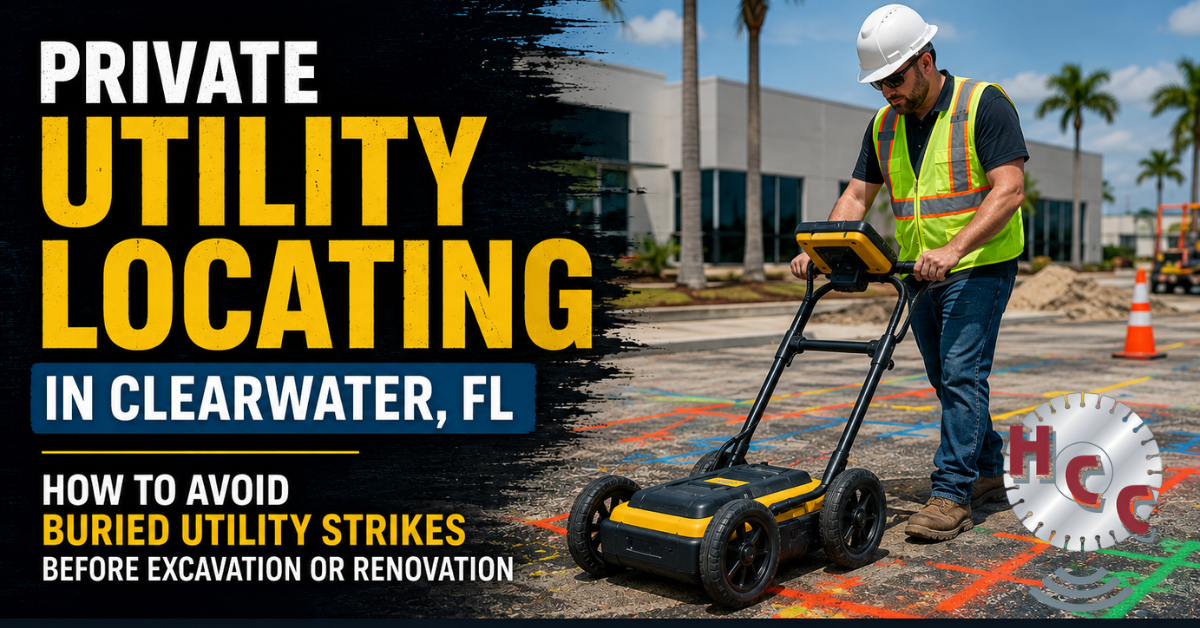
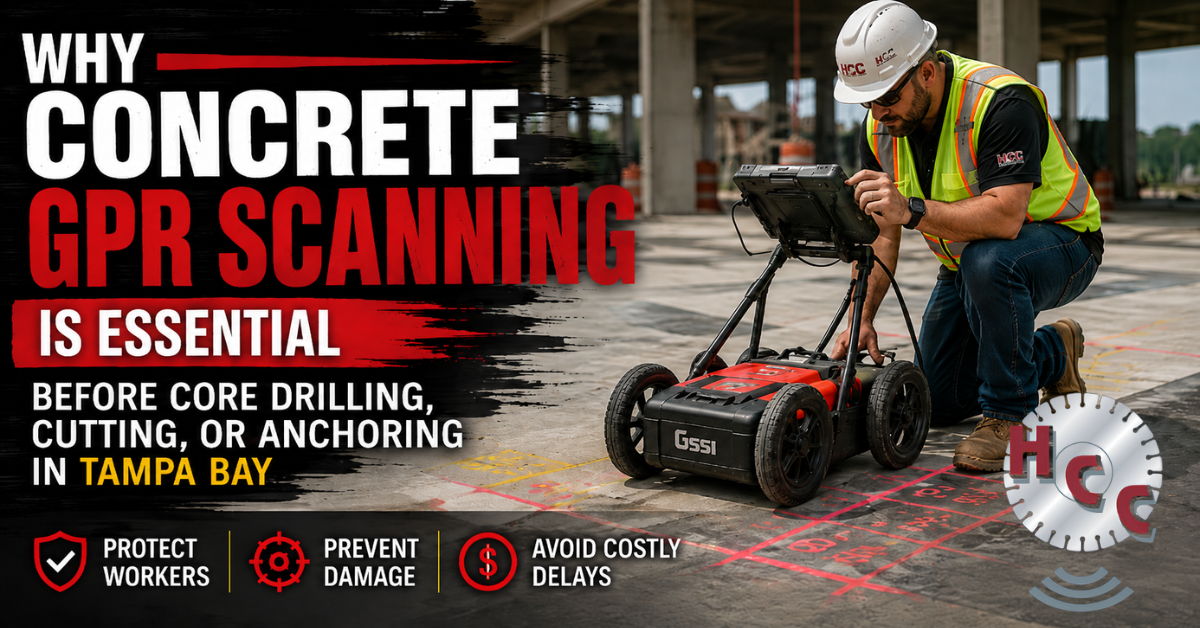
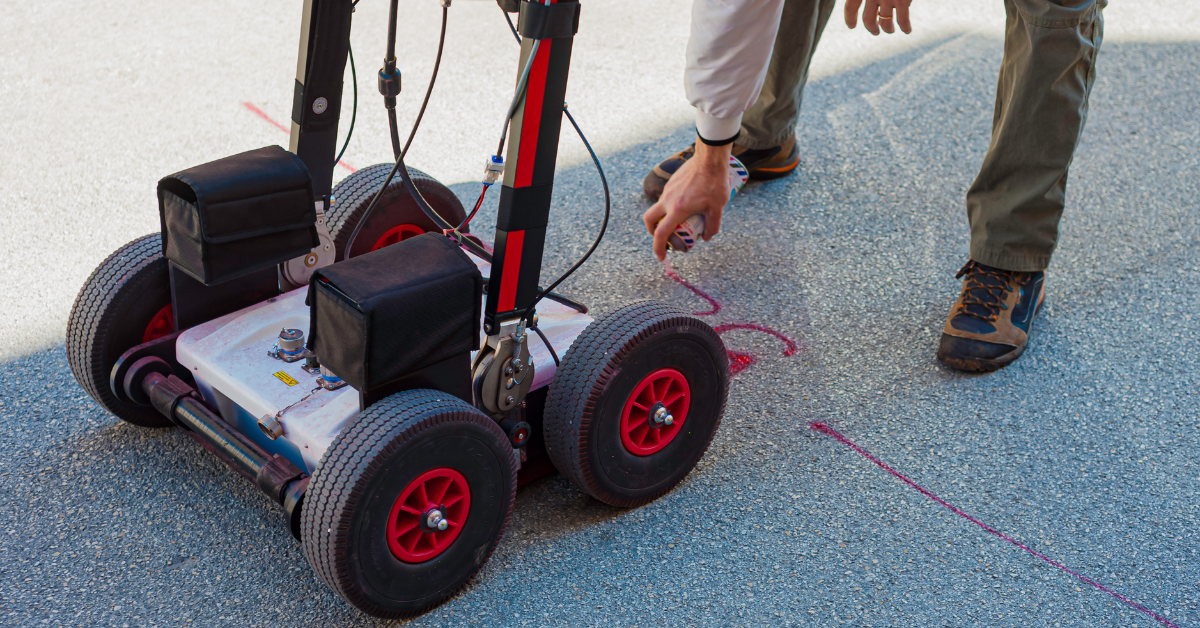
GPR uses radar waves to scan inside and underneath concrete. It is non-destructive and provides real-time results. Technicians can immediately identify rebar, post-tension cables, conduits/utilities, and voids, then mark them directly on the surface.
GPR:
- Uses non-ionizing radar waves
- Is safe for indoor and occupied areas
- Requires access to only one side of the concrete
- Provides instant results
What Is X-Ray Scanning?
X-ray scanning uses radiation to see through concrete. While effective, it requires more setup and strict safety procedures.
X-ray:
- Uses radiation
- Requires the area to be cleared during scanning
- Often needs access to both sides of the slab
- Takes longer to process
Because radiation is involved, X-ray scanning may require site evacuation and additional safety coordination.
So Which One Should You Use?
In most cases, GPR is the preferred option for commercial and residential projects. It is faster, safer, and more practical for active job sites.
X-ray may still be used in certain situations where extremely detailed imaging is required, but for most cutting, coring, and drilling applications, GPR provides the accuracy and efficiency contractors need.
The Bottom Line
If your project requires scanning before cutting concrete, GPR is typically the safer and more efficient solution. It helps prevent costly mistakes, protects crews, and keeps your schedule on track.
If you’re working in Clearwater or anywhere in the Tampa Bay area, HCC Services, Inc. provides professional GPR scanning to help you build with confidence.